
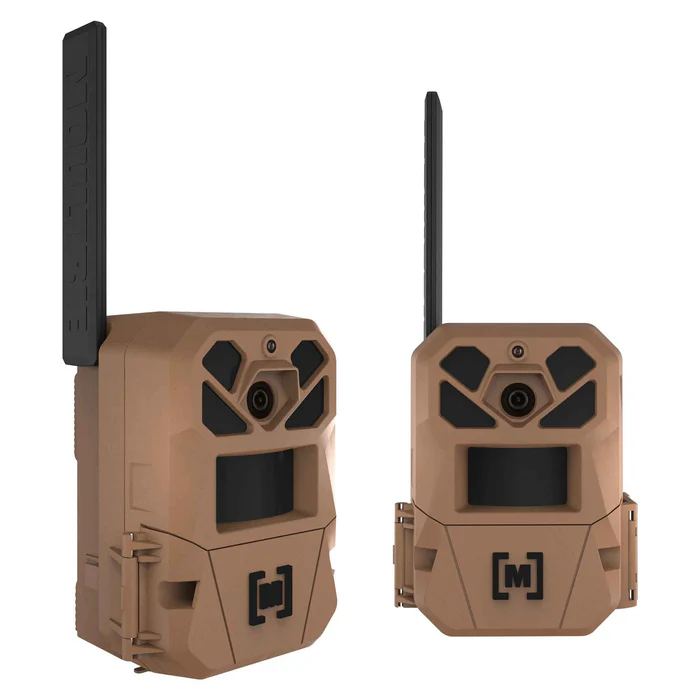
Trail Cameras Canada: The Ultimate Guide for Hunters and Wildlife Enthusiasts
Whether you’re a seasoned hunter, a wildlife photographer, or an outdoor enthusiast, trail cameras in Canada are essential tools for capturing wildlife activity with precision. These cameras are designed to monitor animals remotely without disturbing their natural behavior, making them indispensable for scouting hunting grounds, observing wildlife, and securing outdoor property.
In this guide, we’ll cover everything you need to know about trail cameras in Canada, including features, benefits, buying tips, and top recommendations to ensure you capture every moment in the wild.
Why Trail Cameras Are Essential in Canada
Canada’s vast forests, national parks, and hunting grounds provide abundant wildlife opportunities, but monitoring these areas can be challenging. Trail cameras offer:
- Remote Wildlife Monitoring: Observe animals in their natural habitat without human interference.
- Hunting Advantage: Track deer, moose, elk, or game activity to choose optimal hunting locations.
- Property Security: Protect cabins, farms, and outdoor property from trespassers.
- Wildlife Research: Collect valuable data for ecological studies and conservation efforts.
Key Features of Trail Cameras
1. High-Resolution Imaging
Trail cameras in Canada offer high-definition (HD) images and videos, some even in 4K resolution. Clear images help you identify species and track movements accurately.
2. Night Vision and Infrared Technology
Infrared or no-glow night vision allows cameras to capture nocturnal wildlife without startling them. Many models can record up to 100 feet in complete darkness.
3. Motion Detection Sensors
Modern cameras feature passive infrared (PIR) sensors that trigger instantly when an animal passes by. Advanced sensitivity settings reduce false triggers from moving leaves or snow.
4. Long Battery Life
Battery life is critical for long-term monitoring. Some trail cameras can operate for months without maintenance, while solar-compatible models provide continuous operation in remote areas.
5. Weatherproof and Durable Construction
Trail cameras in Canada must withstand rain, snow, freezing temperatures, and humidity. Rugged, waterproof, and freeze-resistant designs ensure reliable operation throughout the year.
6. Easy Setup and Connectivity
Trail cameras are compact, lightweight, and easy to mount on trees, posts, or fences. Many offer SD card storage or wireless connectivity, allowing for quick retrieval of images and videos.
Top Trail Camera Uses in Canada
Hunting and Scouting
Hunters use trail cameras to identify deer, elk, and moose patterns, monitor travel routes, and plan hunting strategies. Knowing where game frequents improves chances for a successful hunt.
Wildlife Observation
Wildlife enthusiasts capture rare animal behaviors without disturbing natural habitats. This includes observing nocturnal creatures, migratory patterns, or seasonal feeding behaviors.
Property Monitoring and Security
Remote areas, cabins, and farmlands benefit from trail cameras for security. Motion-triggered alerts help detect intruders or unwanted wildlife.
Conservation and Research
Researchers use trail cameras to study wildlife populations, monitor endangered species, and assess habitat usage, making them invaluable tools in Canadian ecological studies.
How to Choose the Best Trail Camera in Canada
Choosing the right camera depends on your goals, whether hunting, wildlife observation, or property monitoring. Consider these factors:
1. Image and Video Quality
High-resolution HD or 4K ensures clear images and accurate species identification.
2. Detection Range and Speed
Fast trigger speed (0.2–1.0 seconds) and a long detection range (up to 100 ft) ensure you capture animals in motion.
3. Night Vision Capability
Select cameras with infrared or no-glow night vision for nocturnal wildlife observation.
4. Battery Life and Power Options
Look for cameras that offer extended battery life or solar panel support for continuous operation.
5. Weather Resistance
Durability against rain, snow, and freezing temperatures is crucial for Canadian conditions.
6. Storage and Connectivity
Cameras with SD cards or wireless transfer options simplify image retrieval and sharing.
Recommended Trail Camera Features for Canadian Hunters
- Adjustable PIR Sensors: Detect animals accurately without false triggers.
- Burst Mode: Capture multiple shots per trigger for action sequences.
- Time-Lapse Mode: Observe wildlife activity over extended periods.
- Camouflage Design: Blend seamlessly into natural environments.
- Compact Form Factor: Easy to transport and install in remote locations.
Top Trail Cameras Available in Canada
- Browning Strike Force HD Pro X
- High-definition 20MP images
- 0.22-second trigger speed
- Full-color night vision up to 80 ft
- Rugged and waterproof
- Moultrie A-35 Game Camera
- 12MP images with 1080p HD video
- Long battery life (up to 12 months)
- Motion detection up to 80 ft
- Freeze-resistant design
- Stealth Cam G42NG
- 14MP image resolution
- 0.3-second trigger speed
- Infrared night vision up to 100 ft
- Durable and weatherproof
- Spypoint Link-Micro LTE
- 12MP images and HD video
- Wireless cellular connectivity
- 100 ft night vision range
- Compact and camo design
Tips for Using Trail Cameras in Canada
- Mount cameras 3–5 ft above ground level to capture deer and medium-sized game.
- Orient cameras north or south to reduce glare from sunlight.
- Regularly check and replace batteries, especially during extreme cold.
- Use camouflage straps or boxes to prevent theft or detection by curious animals.
- Combine multiple cameras for a comprehensive monitoring grid in larger hunting areas.
FAQs
Are trail cameras legal in Canada?
Yes, trail cameras are legal in Canada for hunting, wildlife observation, and property monitoring. Always follow provincial hunting regulations and privacy laws.
How long do trail camera batteries last?
Battery life depends on usage, temperature, and camera model. Most cameras last several months, while solar-powered options provide near-continuous operation.
Can trail cameras record at night?
Yes, most models have infrared or no-glow night vision that captures images and videos in complete darkness without disturbing animals.
What animals can I monitor with a trail camera?
Trail cameras can capture deer, moose, elk, bear, coyotes, foxes, raccoons, birds, and small wildlife depending on location and camera settings.
Can I use trail cameras for security purposes?
Absolutely. Many hunters and property owners use trail cameras to monitor cabins, farms, and remote areas for intruders or trespassers.
Conclusion
For Canadian hunters, wildlife enthusiasts, and outdoor property owners, trail cameras provide an unmatched way to observe, monitor, and capture wildlife activity. From high-resolution imaging and night vision to motion detection and weatherproof durability, these cameras ensure you never miss a moment in the wild.
By choosing a camera that fits your needs—whether for hunting, conservation, or property security—you can enjoy the outdoors with confidence, efficiency, and precision.
Explore, capture, and connect with nature like never before with the best trail cameras available in Canada.
Related products
Accessories
Accessories
Accessories
Accessories
Accessories
Accessories
Accessories
Accessories